September 22, 2026 Post by : Editorial Community and Sustainability
Lavender Hedge, Border, or Container? Designing with Lavender in Small and Large Spaces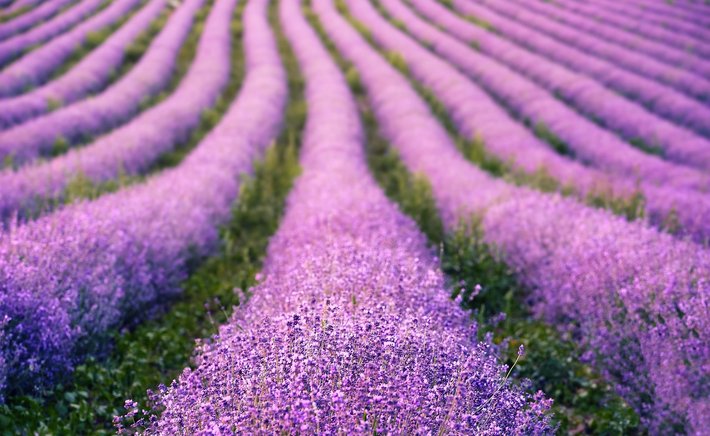
A lavender garden is never just about lavender. Plant a row along a sunny fence and you will soon notice honeybees, bumblebees, and butterflies treating it as a favorite rest stop. Leave the stems standing into winter and you will feed seed-eating birds. Share a few bundles with a neighbor and you have started a conversation. Growing lavender thoughtfully is one of the simplest ways to make a small piece of land more alive and more connected to the people around it.
Sustainability in the lavender patch is less about grand gestures and more about a handful of consistent choices. The good news is that lavender is naturally suited to a low-input approach, which makes those choices easier than they might be in a vegetable garden.
Water-Wise Planting and Pollinator-Friendly Practices
Lavender's Mediterranean heritage means it thrives on less water than most ornamentals, making it a smart choice for dry summers and water restrictions. Group it with other drought-tolerant plants like rosemary, salvia, and yarrow, and water deeply but rarely once plants are established. Drip irrigation or hand watering at the base keeps foliage dry and reduces fungal issues. Mulch lightly with gravel or coarse compost rather than bark, which holds moisture against the crown.
Skip synthetic pesticides entirely. Lavender rarely needs them, and the insects that visit your patch are part of its value. If aphids or spittlebugs appear, a strong spray of water usually handles them. Let some flowers go to seed rather than harvesting every stem, and you will extend the season of food and habitat for pollinators well into autumn. Consider planting a few different lavender varieties with staggered bloom times so the buffet stays open longer.
If you have space, dedicate a corner to a pollinator mix of native wildflowers alongside your lavender. The combination supports a wider range of species and adds visual interest through the season.
Sharing the Harvest and Growing Community
The generosity of a lavender patch is hard to overstate. A mature row can produce far more than one household can use, which makes it a natural source of gifts, swaps, and small acts of neighborliness. Many growers set out a basket of bundled stems at the end of the driveway with a handwritten sign, and it rarely lasts the afternoon.
You can also organize a harvest gathering. Invite friends and neighbors to cut stems together, then spend an evening bundling and drying them over tea. Everyone leaves with something, and the shared work turns a solitary hobby into a tradition. Local libraries, community gardens, and school programs are often delighted to receive dried lavender for craft sessions, and nursing homes welcome small sachets.
Sharing seeds and cuttings is another way to spread the plant and the practice. Lavender propagates readily from cuttings in early summer, and a rooted start given to a new gardener is a gift that keeps giving for years.
Sustainability, in the end, is about relationships: between your garden and its pollinators, between your harvest and your community, and between the choices you make now and the patch that will still be thriving a decade from today. Plant with that in mind, and your lavender will do more than smell wonderful. It will quietly knit things together.

Author

22 feb,2025
This incident opened my eyes to the value of Insurance in general, so I decided to examine my personal and business insurance.

Comment (3)
The payments are made directly from one person to another without passing through a central bank or clearing house.
22 feb,2025
ReplyLavender and Community: Hosting a Swap, Workshop, or U-Pick Day
23 feb,2025
ReplyStarting Your First Lavender Patch: A Beginner's Guide to Soil, Sun, and Patience
23 feb,2025
Reply