October 1, 2026 Post by : Editorial Growing Tips
Building a Sustainable Lavender Garden That Supports Pollinators and Community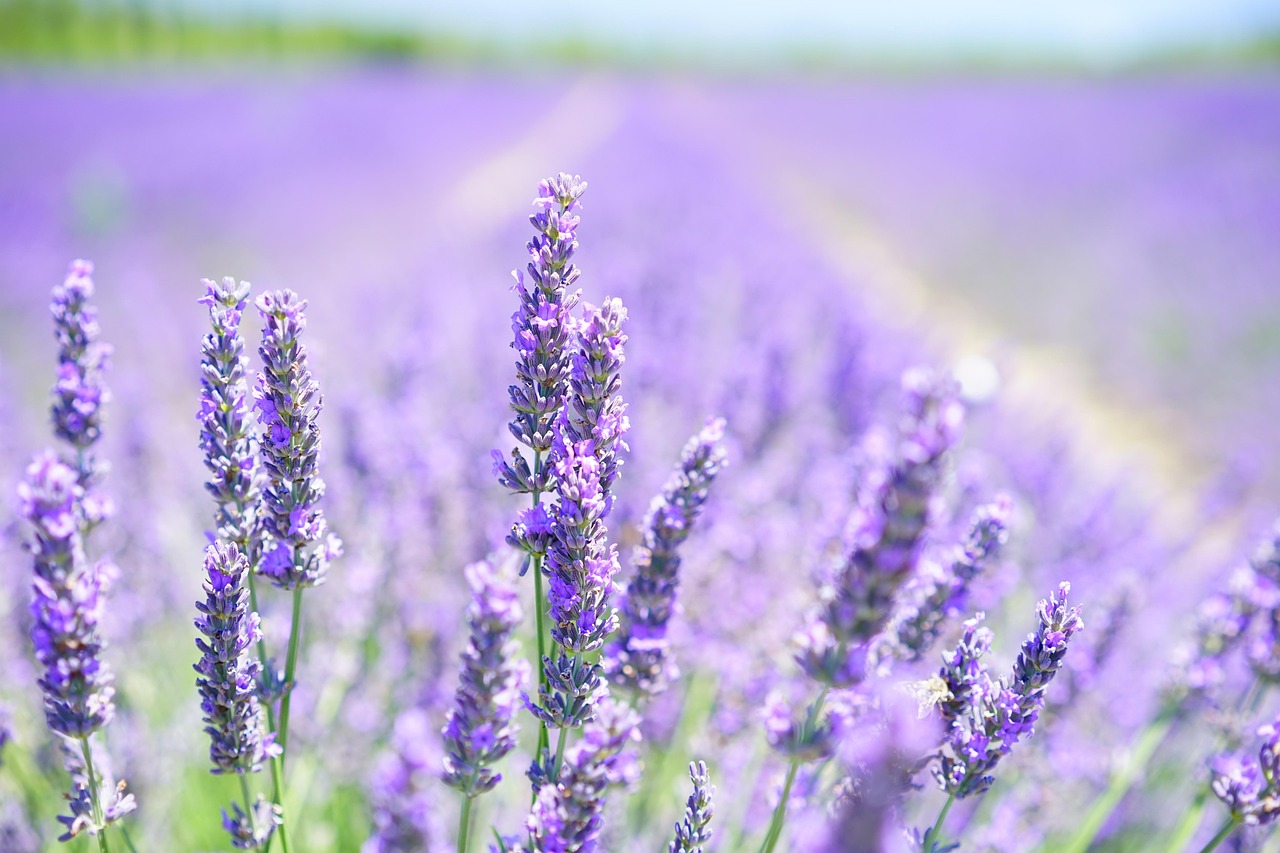
You have waited all season, watched the buds swell, and now the moment has arrived. Or has it? Knowing precisely when to harvest lavender is the difference between bundles that scent a whole room for a year and bouquets that turn to dusty hay by autumn. The window is wider than you might think, but it is not infinite, and a little attention to the calendar and the weather will pay off enormously.
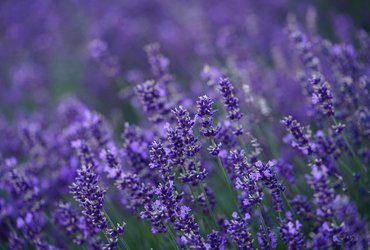
The single most important rule is this: harvest when the buds are fully colored but before the flowers fully open. At that stage the essential oils are concentrated in the calyxes, and the stems are still firm enough to hold their shape as they dry. Once the petals splay open and the bees have had their fill, much of that precious oil has already evaporated into the air.
Reading the Signs in Your Own Garden
Different varieties ripen at different times, so rather than relying on a fixed date, watch your plants. English lavenders typically peak in early to midsummer, while lavandins follow a couple of weeks later. A helpful trick is to check a few stems each day: gently rub a bud between your fingers and smell it. When the fragrance is at its sweetest and most intense, you are in the zone. If it smells grassy or faint, wait a few more days.
Time of day matters too. Cut in the morning after the dew has dried but before the heat of midday, when the oils are at their highest concentration. Avoid harvesting in the rain or immediately after, since damp bundles are prone to mold. A stretch of dry, sunny weather is ideal.
Cutting, Bundling, and Drying Without Losing the Scent
Use sharp, clean shears and cut long stems, taking them down to just above the leafy growth. Gather a handful at a time and secure them with a rubber band rather than twine; rubber bands contract as the stems shrink, keeping the bundle tight while it dries. Keep bundles modest in size, no thicker than your wrist, so air can circulate through the center.
Hang them upside down in a dark, dry, well-ventilated space. A closet, an attic, or a shaded porch all work well. Darkness preserves the color, and good airflow prevents mildew. Depending on your climate, drying takes one to three weeks. The bundles are ready when the stems snap rather than bend and the buds feel papery.
Once dry, strip the buds from the stems over a bowl or tray, and store them in airtight jars away from sunlight. Whole stems can be kept intact for wreaths and arrangements. If you plan to make culinary lavender, keep those buds separate and clearly labeled, and use only unsprayed plants.
One final tip: do not discard the stems. They make excellent fire starters, kindling for the grill, and sturdy bases for craft projects. Nothing in a lavender patch needs to go to waste, and that spirit of using every part is at the heart of what we celebrate here. Harvest well, and your kitchen, your linen closet, and your winter evenings will all thank you.
Author
22 feb,2025
This incident opened my eyes to the value of Insurance in general, so I decided to examine my personal and business insurance.

Comment (3)
The payments are made directly from one person to another without passing through a central bank or clearing house.
22 feb,2025
ReplyFive Lavender Crafts That Turn Your Harvest into Handmade Gifts
23 feb,2025
ReplyLavender in the Kitchen: Cooking, Baking, and Infusing with Culinary Blooms
23 feb,2025
Reply