September 25, 2026 Post by : Editorial Crafts and Projects
From Fresh Cut to Dried Bundle: A Simple Guide to Preserving Lavender's Fragrance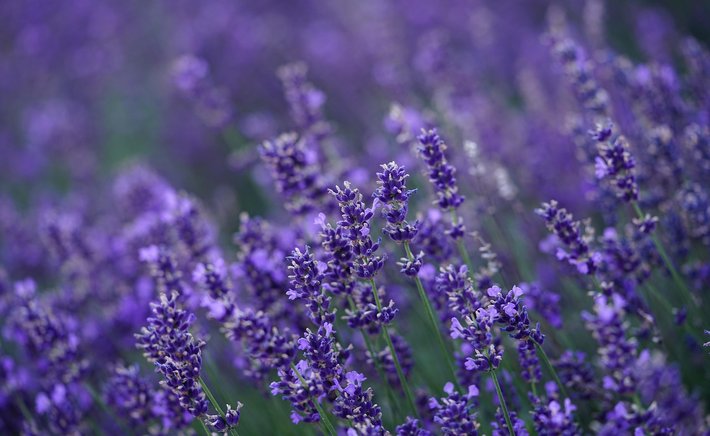
Mention lavender in food and you will get one of two reactions: delight or a wary raised eyebrow. The skeptics have usually encountered lavender used too generously, resulting in a dessert that tastes like soap or perfume. The enthusiasts know that a light hand transforms ordinary shortbread, lemonade, and roast chicken into something quietly memorable. The difference between the two experiences is almost entirely about quantity and restraint.
Start with the right lavender. Culinary lavender should be English lavender, ideally a variety bred for sweetness rather than one grown for maximum oil content. If you are not sure of the source, taste a single bud before committing it to a recipe. It should be floral and slightly sweet, not bitter or aggressively perfumed. When in doubt, use less than the recipe suggests; you can always add more, but you cannot take it out.
Baking and Sweet Applications
The classic entry point is shortbread, and for good reason. Cream butter and sugar with a teaspoon of finely chopped or ground buds, add flour, and bake as usual. The lavender should be a whisper in the background, not the headline. The same approach works in sugar cookies, scones, and pound cake. A lavender simple syrup, made by steeping buds in hot sugar water and straining, opens up a whole world of possibilities: drizzle it over yogurt, stir it into iced tea, or use it to sweeten a lemonade that will spoil you for the store-bought kind.
For an easy showstopper, infuse honey. Warm a jar of mild honey gently, add a spoonful of dried buds, and let it steep for a week before straining. Drizzled over cheese or stirred into tea, it is a small luxury that costs very little.
Savory Uses and Infused Pantry Staples
Lavender is not only for sweets. In the tradition of Herbes de Provence, it plays a supporting role alongside thyme, rosemary, and savory. A pinch added to a rub for roast lamb or chicken brings an unexpected floral note that complements rather than dominates. It also pairs surprisingly well with goat cheese, honey, and cracked pepper on a simple crostini.
Infused vinegar and oil are two pantry staples worth making. Fill a jar with dried buds, cover with white wine vinegar or a mild olive oil, and let it sit in a cool, dark place for two to three weeks before straining. The vinegar is lovely in salad dressings, and the oil makes a thoughtful gift with a handwritten label.
One caution: use only lavender you know has not been sprayed with pesticides, and avoid essential oil in cooking, as it is far too concentrated for culinary use. Dried buds, fresh from your garden or a trusted supplier, are the way to go.
Cook with lavender the way you would use any strong herb, tasting as you go and adjusting gradually. Done well, it adds a subtle, almost nostalgic quality to food that people cannot quite place but always remember.

Author
22 feb,2025
This incident opened my eyes to the value of Insurance in general, so I decided to examine my personal and business insurance.

Comment (3)
The payments are made directly from one person to another without passing through a central bank or clearing house.
22 feb,2025
ReplyHarvesting Lavender at Peak Scent: Timing, Cutting, and Drying for Maximum Fragrance
23 feb,2025
ReplyFive Lavender Crafts That Turn Your Harvest into Handmade Gifts
23 feb,2025
Reply