September 13, 2026 Post by : Editorial Garden Design
Starting Your First Lavender Patch: A Beginner's Guide to Soil, Sun, and Patience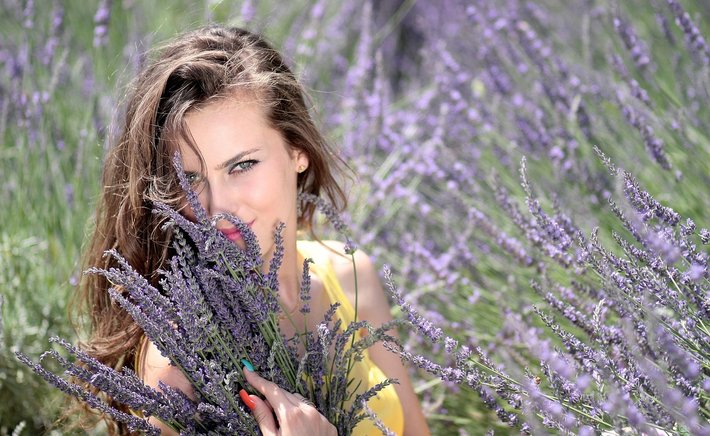
Lavender is one of those rare plants that works equally well as a formal hedge, a casual border, a container specimen, or a wild meadow drift. Its silvery foliage and purple spikes bring structure and softness at the same time, and its scent turns any path into a sensory experience. But designing with lavender takes a little forethought — plant it in the wrong spot or the wrong shape, and you'll spend more time fussing than enjoying.
The first consideration is scale. Lavender looks best when planted in masses rather than as isolated individuals. A single lavender plant in a lawn looks a bit lost; a row of them along a walkway looks intentional and inviting. If you have the space, plant in groups of three, five, or more, spacing them according to their mature width. English lavenders typically spread 18 to 24 inches, while French and Spanish types can reach 3 feet across. Crowding them reduces airflow and invites disease, so resist the urge to pack them in.
Formal Hedges and Informal Borders
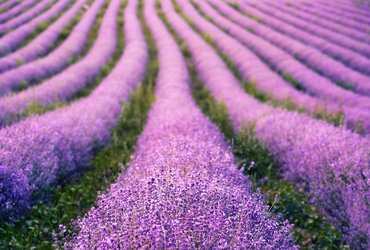
For a low hedge, choose compact English varieties like 'Hidcote' or 'Munstead' and plant them in a straight line about 12 to 18 inches apart. Prune lightly after flowering to keep the hedge tidy, but never cut into the old woody stems — lavender doesn't regenerate from bare wood. A lavender hedge works beautifully along a driveway, framing a vegetable garden, or separating a patio from a lawn. It's also a pollinator magnet, so expect bees and butterflies throughout the bloom season.
For a more relaxed look, plant lavender in drifts among other drought-tolerant perennials like rosemary, santolina, and ornamental grasses. This style suits cottage gardens and Mediterranean-inspired landscapes, where plants are allowed to spill and self-seed a little. In this setting, mix varieties with different bloom times to extend the season — early English lavenders followed by later French types can keep flowers coming from late spring into early fall.
Lavender also shines as a container plant, which is good news for renters, balcony gardeners, and anyone with heavy clay soil. Choose a pot at least 12 inches wide with plenty of drainage holes, and fill it with a gritty, free-draining mix — cactus soil blended with a little compost works well. Terracotta is ideal because it wicks away moisture, but any pot will do if you're careful not to overwater. In cold climates, containers can be moved to a sheltered spot for winter, which extends the range of tender varieties.
Pathways, Patios, and Sensory Planting
One of the most rewarding ways to use lavender is along pathways and patios, where brushing against the foliage releases its scent. Plant low-growing varieties close to the edge of a path, or tuck them into gravel between stepping stones. The combination of lavender and gravel is classic for a reason: gravel reflects heat, improves drainage, and looks tidy year-round.
If you're designing a sensory garden, pair lavender with other fragrant plants like thyme, sage, and roses. The contrast of textures — soft lavender spikes against fuzzy lamb's ear or spiky rosemary — adds visual interest even when the plants aren't blooming. Add a bench nearby so you can sit and take it in.
Finally, think about winter interest. Lavender's evergreen foliage stays attractive in mild climates, but in colder zones it may die back to woody stems. Plant it alongside evergreens like boxwood or juniper so the garden doesn't look bare in the off-season. With a little planning, lavender can anchor your garden in every season, not just at the height of summer.
Author
22 feb,2025
This incident opened my eyes to the value of Insurance in general, so I decided to examine my personal and business insurance.

Comment (3)
The payments are made directly from one person to another without passing through a central bank or clearing house.
22 feb,2025
ReplyStarting Your First Lavender Patch: A Beginner's Guide to Soil, Sun, and Patience
23 feb,2025
ReplyHarvesting Lavender at Peak Scent: Timing, Cutting, and Drying for Maximum Fragrance
23 feb,2025
Reply