September 7, 2026 Post by : Editorial Community & Sustainability
Five Lavender Crafts That Turn Your Harvest into Handmade Gifts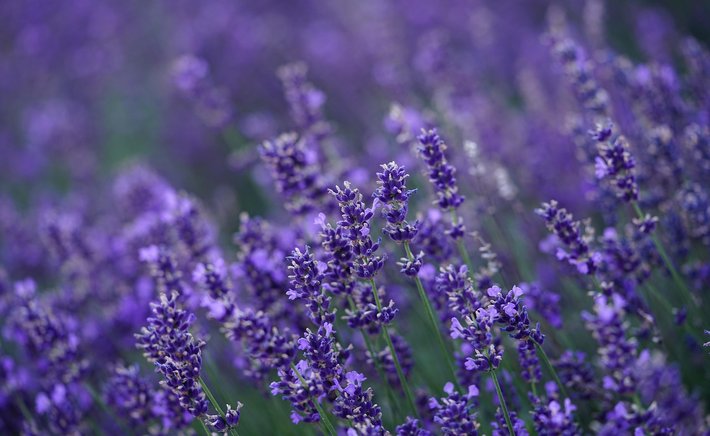
Lavender has a way of bringing people together. Maybe it's the scent, which is universally calming. Maybe it's the sight of a field in bloom, which begs to be shared. Or maybe it's the fact that lavender growers tend to be makers — people who dry, craft, cook, and create. Whatever the reason, building community around lavender is one of the most rewarding parts of growing it. And it doesn't take a huge farm or a formal organization to get started.
A lavender swap is the simplest way to begin. Invite fellow gardeners, crafters, and neighbors to bring their surplus — fresh bundles, dried buds, seedlings, essential oil, or handmade products — and trade. Set it up like a potluck: everyone brings something, everyone leaves with something new. Swaps work well in late summer, after the main harvest, when people have more lavender than they know what to do with. A shady backyard, a community hall, or a park pavilion all work fine.
Workshops That Teach and Inspire
If you have a skill to share, a workshop is a natural next step. Lavender sachet-making, wreath-weaving, and essential oil distillation are all popular topics. Keep it hands-on and beginner-friendly. A two-hour sachet workshop, for example, can cover basic drying, fabric selection, simple stitching, and scent blending. Participants leave with a finished project and the confidence to make more at home.
Workshops also create opportunities for collaboration. A local herbalist might teach a session on lavender's traditional uses. A beekeeper might talk about planting lavender for pollinators. A baker might demonstrate lavender shortbread. By inviting others to teach what they know, you build a richer, more resilient community — one where knowledge is shared rather than hoarded.
U-pick days are another way to open your garden to others. If you have more lavender than you can harvest, invite friends, neighbors, or the public to come cut their own bundles for a small fee or a donation. Provide shears, twine, and clear instructions on how to cut properly. U-pick events are especially lovely for families, who often leave with armfuls of flowers and big smiles. They also help educate people about how lavender grows and why it matters.
Sustainability Through Sharing
Community events aren't just fun — they're a form of sustainability. When lavender is shared, less of it goes to waste. When knowledge is passed on, fewer plants die from avoidable mistakes. When local makers connect, they're less likely to buy imported lavender products wrapped in plastic. Every swap, workshop, and u-pick day strengthens the local loop of growers and makers who care about what they produce.
If you're not ready to host, consider joining an existing event. Many botanical gardens, farmers markets, and herbal guilds run lavender-themed days in summer. Volunteer to help, bring a bundle to share, or simply show up and learn. Community is built one small gesture at a time, and lavender — generous, fragrant, and easy to share — is the perfect excuse to start.
Whether you host a swap for five friends or a u-pick day for fifty strangers, you're doing something valuable. You're connecting people to plants, to each other, and to a slower, more thoughtful way of living. And that's exactly what Lavender Loop is here to celebrate.
Author
22 feb,2025
This incident opened my eyes to the value of Insurance in general, so I decided to examine my personal and business insurance.

Comment (3)
The payments are made directly from one person to another without passing through a central bank or clearing house.
22 feb,2025
ReplyPropagating Lavender from Cuttings: Grow More Plants for Free
23 feb,2025
ReplyLavender and Community: Hosting a Swap, Workshop, or U-Pick Day
23 feb,2025
Reply