September 16, 2026 Post by : Editorial Harvesting & Drying
Lavender and Community: Hosting a Swap, Workshop, or U-Pick Day
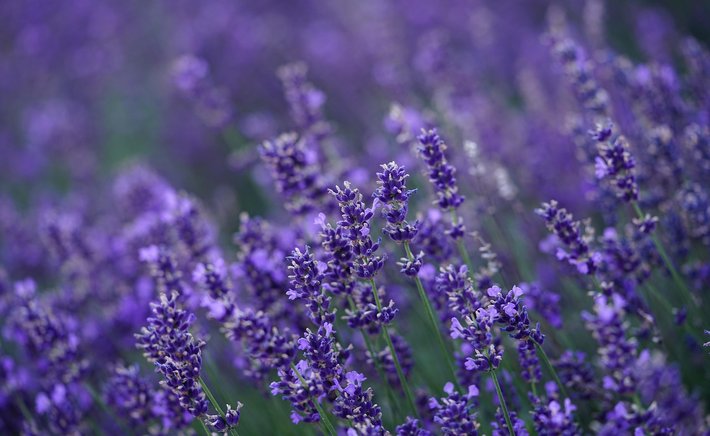
There's a particular disappointment in pulling a dried lavender bundle off the wall in January and finding it smells like dusty hay. It happens to almost every grower at least once, and the culprit is almost always the drying process. Lavender's fragrance lives in tiny oil glands on the buds and leaves, and those oils evaporate quickly when exposed to heat, sunlight, or prolonged humidity. Get the drying right, and a single bundle can perfume a room for a year or more.
The first rule is to harvest at the right moment. Cut stems when about half the buds on a spike have opened and the rest are still tight. At this stage, oil concentration is at its peak. Cut in the morning after the dew has dried but before the heat of the day, using sharp shears and leaving several inches of stem below the flowers. Gather stems into small bundles — no more than an inch thick — and secure them with rubber bands rather than string. Rubber bands contract as stems shrink, keeping the bundle tight without crushing the stems.
Air Drying: The Slow, Reliable Method
Air drying is the gold standard for fragrance retention, and it requires almost nothing beyond patience. Hang bundles upside down in a dark, dry, well-ventilated space. A closet, attic, or spare room works well; a garage or shed is fine if it stays dry. Aim for temperatures between 60 and 80 degrees Fahrenheit and humidity below 50 percent if possible. Good airflow is essential — stagnant air invites mold, which ruins both scent and appearance.
Bundles typically dry in ten days to three weeks, depending on your climate. You'll know they're ready when the stems snap rather than bend and the buds feel papery but still plump. At that point, strip the buds from the stems if you're making sachets or culinary blends, or leave the bundles intact for wreaths and wall decor. Store dried buds in airtight glass jars away from light and heat. A dark cupboard is ideal; a sunny windowsill is not.
If you live in a humid climate, air drying can be tricky. A food dehydrator set to its lowest setting — around 95 degrees Fahrenheit — can work, but keep an eye on it. Lavender dries fast in a dehydrator, sometimes in just a few hours, and overdrying strips the oils. Check every hour and pull the trays as soon as the buds feel dry to the touch.
Creative Ways to Use and Store Your Dried Harvest
Once your lavender is dry, the fun begins. Sachets are the simplest project: fill small muslin or linen bags with buds, add a few drops of lavender essential oil if you want to boost the scent, and tuck them into drawers, closets, and linen cupboards. Sleep pillows — small sachets filled with lavender and a little rice or buckwheat — are lovely gifts and easy to sew by hand.
Dried bundles also make beautiful, functional decor. Hang them in bathrooms, kitchens, or entryways where their scent can drift into the room. Refresh tired bundles by gently crushing the buds between your fingers, which releases fresh oils. If a bundle has lost its fragrance entirely, empty the buds into a bowl and add a few drops of essential oil, then let them dry again before refilling a sachet.
For culinary use, keep dried buds in a separate jar from your craft supply. Only English lavender varieties are suitable for eating, and even then, use them sparingly — a little goes a long way. A teaspoon of dried buds infused into sugar or honey adds a delicate floral note to baked goods and teas. Label your jars with the variety and harvest date, and you'll always know exactly what you're reaching for.
Author
22 feb,2025
This incident opened my eyes to the value of Insurance in general, so I decided to examine my personal and business insurance.

Comment (3)
The payments are made directly from one person to another without passing through a central bank or clearing house.
22 feb,2025
ReplyBuilding a Sustainable Lavender Garden That Supports Pollinators and Community
23 feb,2025
ReplyLavender Varieties 101: Choosing the Right Cultivar for Your Climate and Craft
23 feb,2025
Reply