September 19, 2026 Post by : Editorial Gardening Tips
Propagating Lavender from Cuttings: Grow More Plants for Free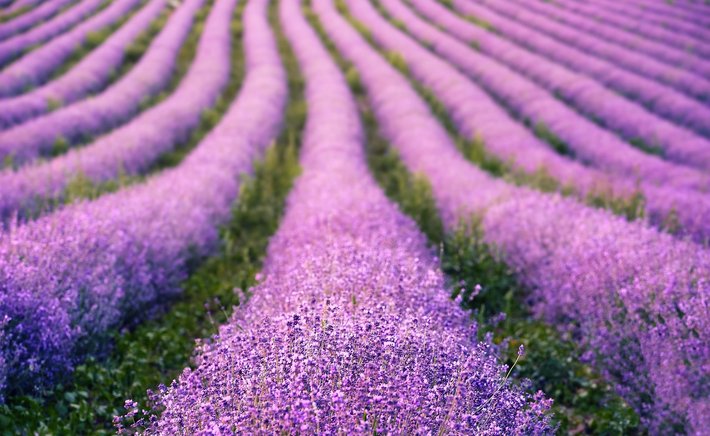
Walk into any garden center in spring and you'll see them lined up like purple soldiers: dozens of lavender plants, often labeled only by color. But not all lavenders are created equal, and the cultivar you bring home will determine whether your plants thrive for a decade or sulk through a single soggy winter. Understanding the three main species — English, French, and Spanish lavender — is the single most useful piece of knowledge a new grower can carry into the nursery.
English lavender, or Lavandula angustifolia, is the classic choice for cold climates and culinary use. It's the sweetest and most delicate of the trio, with a fragrance that most people recognize from soaps and baked goods. Popular cultivars like 'Hidcote' and 'Munstead' stay compact, bloom in early summer, and tolerate temperatures well below freezing once established. If you're growing for dried bundles, sachets, or sugar, start here.
Matching Species to Your Growing Conditions
French lavender, Lavandula stoechas, is the one with the distinctive rabbit-ear bracts on top of each flower spike. It's stunning in the garden and blooms longer than English types, often pushing out flowers from late spring into fall in mild climates. The trade-off is hardiness: French lavender dislikes prolonged frost and heavy, wet soil. Gardeners in zone 7 and warmer will find it easy; those in colder regions can grow it as an annual in containers or overwinter it indoors near a bright window.
Spanish lavender, Lavandula dentata, has toothed, silvery foliage and a resinous, almost rosemary-like scent. It's the least cold-hardy of the common garden lavenders and the most ornamental, often used in drought-tolerant landscaping. It's also the least useful for culinary purposes — its flavor is sharp and camphor-like, better suited to potpourri than shortbread.
Beyond species, there are dozens of named cultivars bred for specific traits. 'Phenomenal' is prized for its exceptional winter hardiness and uniform growth. ' Goodwin Creek Grey' offers unusual gray-green foliage and repeat bloom. Dwarf varieties like 'Thumbelina' work beautifully in rock gardens and small containers, while tall types like 'Grosso' produce the long stems that florists love.
Choosing for Your Craft, Not Just Your Garden
Before you buy, think about what you actually want from your lavender. If your goal is aromatic crafts — sachets, sleep pillows, wreaths — look for varieties with high oil content and long stems. 'Grosso' and 'Provence' are workhorses here, with thick spikes that hold their shape when dried. If you're cooking, stick with English lavenders, which have the lowest camphor levels and the sweetest flavor. If you're planting for pollinators, almost any lavender will do, but English types tend to bloom earliest and feed bees when little else is available.
Climate matters just as much as purpose. In humid, rainy regions, choose French or Spanish lavenders and plant them in raised beds or on slopes where water drains quickly. In cold climates, English lavenders and their hybrids are your best bet, especially if you mulch with gravel rather than bark to keep the crown dry. In hot, dry areas, all three species will grow, but afternoon shade can extend their lives and keep blooms from fading too fast.
One last tip: buy plants rather than seeds whenever possible. Lavender from seed is slow, unpredictable, and rarely true to the parent variety. A healthy nursery start will give you flowers in the same season and a much clearer sense of what you're growing. Once you know your species and your cultivar, everything else — pruning, harvesting, propagating — becomes far easier to get right.
Author
22 feb,2025
This incident opened my eyes to the value of Insurance in general, so I decided to examine my personal and business insurance.

Comment (3)
The payments are made directly from one person to another without passing through a central bank or clearing house.
22 feb,2025
ReplyLavender Hedge, Border, or Container? Designing with Lavender in Small and Large Spaces
23 feb,2025
ReplyPropagating Lavender from Cuttings: Grow More Plants for Free
23 feb,2025
Reply